
Let's Work Together to Keep Your Financial Information Safe
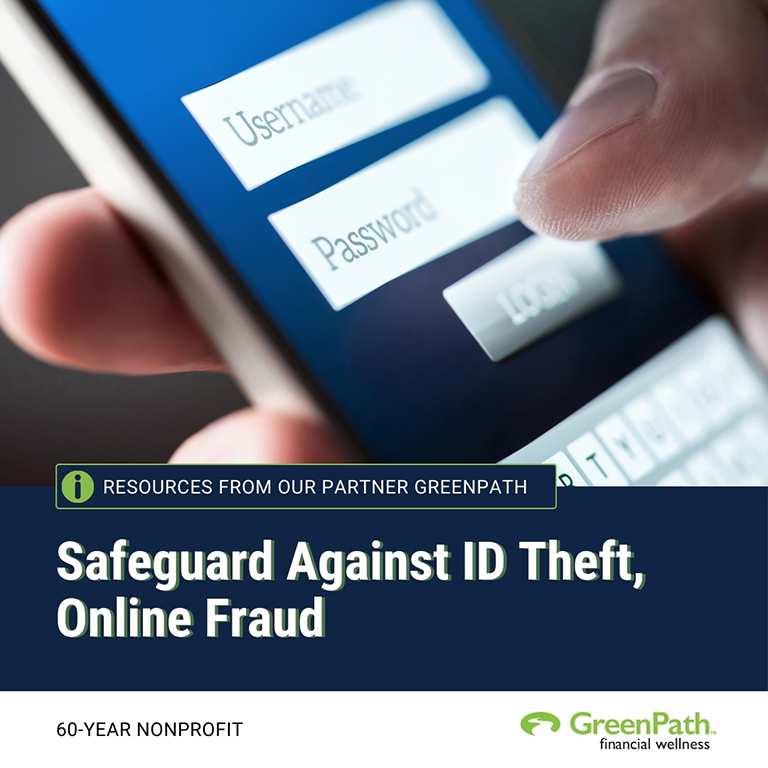
In today's digital world, it's important to protect your financial information and personal data from cyber threats. This guide will provide you with tips and best practices to stay safe while banking online. Different fraud tactics share the same goal: obtain your personal, confidential, and financial information for fraud. Fraudulent activity comes in many different forms ― from stealing your information ‘the old fashioned way’ from discarded mail; to emails asking you to verify personal information under the guise of a trusted source ― like your financial institution.
Secure Banking Practices
Here are some best practices to ensure secure banking online:
- Use strong, unique passwords for your online banking accounts.
- Enable two-factor authentication for an extra layer of security.
- Avoid accessing your bank accounts using public Wi-Fi networks.
- Regularly monitor your bank statements for any unauthorized transactions. Stay notified on your account activity with First Atlantic's text alerts.
- First Atlantic is not responsible or liable for any transactions, fees, or issues arising from the use of third-party payment vendors. Members are encouraged to review the terms and conditions of these services before use, as we cannot guarantee their security, reliability, or performance.
Protecting Your Personal Information
Follow these tips to protect your personal information online:
- Avoid sharing sensitive information, such as your Social Security number, online.
- Be cautious of phishing attempts and never click on suspicious links or attachments.
- Use reputable antivirus software to protect your devices from malware.
Please remember that First Atlantic never initiate a call, email, or text asking you for:
- Your debit/credit card number, PIN, or CVV.
- Your member number, account number, full social security information, or any other security passcodes.
- Your online or mobile banking login information.
- Your passwords.
You should never share any of this information with anyone and remember that while our employees may contact you to verify suspicious debit or credit card transactions, they'll never ask you for the info listed above.
If you receive one of these calls or texts or you have supplied personal information via email, phone, social media, or other means to someone you suspect is scamming you, please contact us immediately at 732-380-3600 or by calling the number on the back of your card.
Additional Tips
Here are some additional tips to enhance your online security:
- Keep your software and operating systems up to date to protect against vulnerabilities.
- Use a secure password manager to store and manage your passwords.
- Regularly backup your important data to prevent loss in case of a cyberattack.
By following these tips and best practices, you can help protect yourself from online threats and enjoy a safe banking experience. Remember to stay vigilant and always prioritize your online security.
Andy Cohen fell victim to a credit card scam.
Andy stopped by TODAY to share a warning after his experience of having his bank account hacked in an imposter scam. Cohen says the scheme is very easy to fall prey to and wants to spread awareness of how it is presented so that others don't fall victim. Here's what he learned.